English
 عربى
عربى Türk
Türk Español

Contenido
- 1 Comprender el hilo de poliéster y por qué se combina comúnmente
- 2 Fibras comunes combinadas con hilo de poliéster
- 3 Ventajas de rendimiento de las mezclas de hilos de poliéster
- 4 Aplicaciones de telas fabricadas con mezclas de hilos de poliéster
- 5 Cómo elegir la mezcla adecuada de hilos de poliéster
- 6 Consideraciones de sostenibilidad en mezclas de hilos de poliéster
Comprender el hilo de poliéster y por qué se combina comúnmente
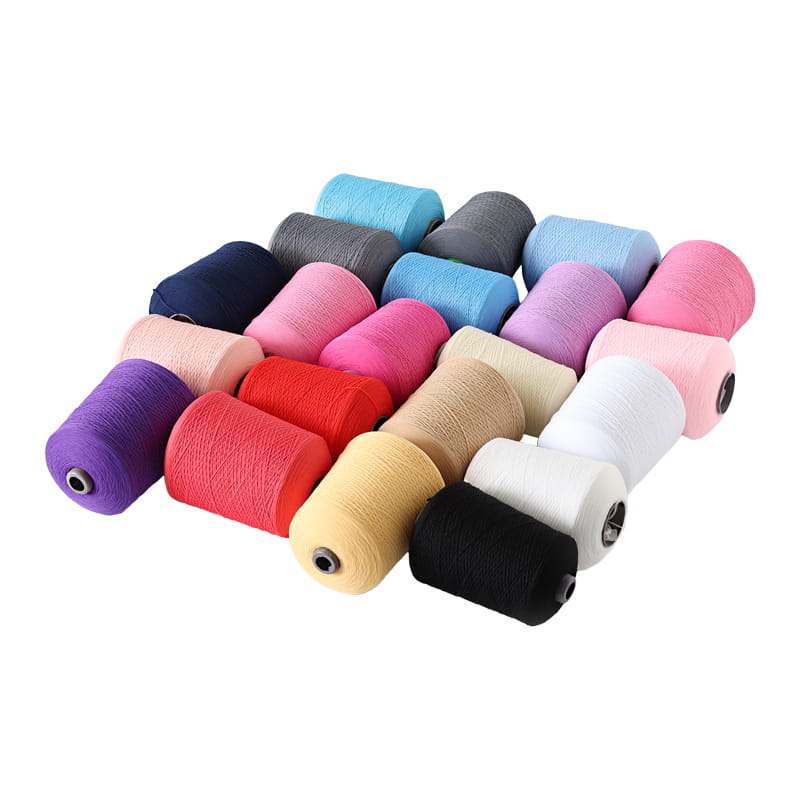
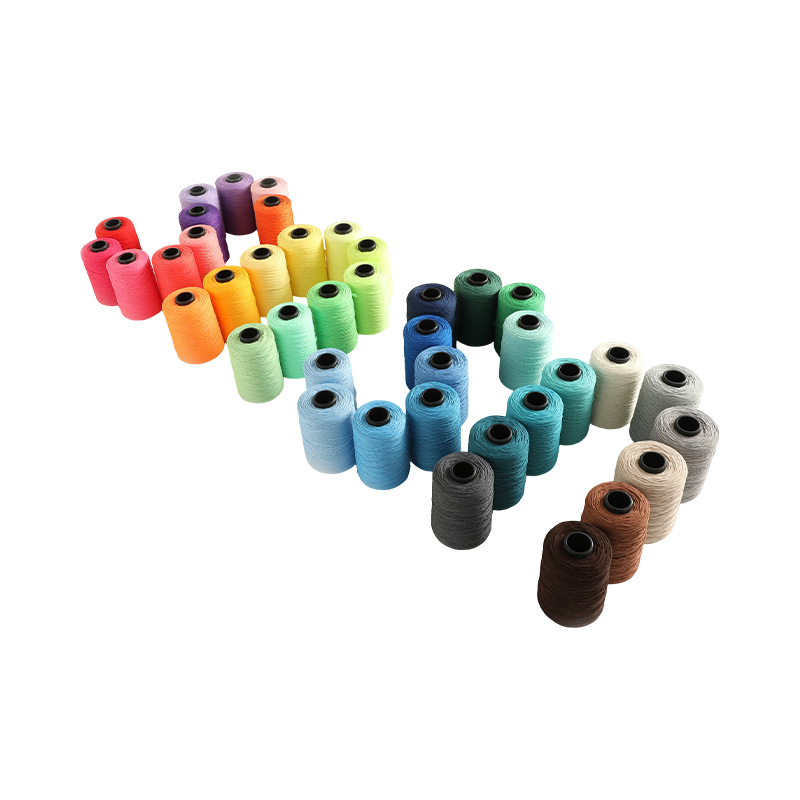
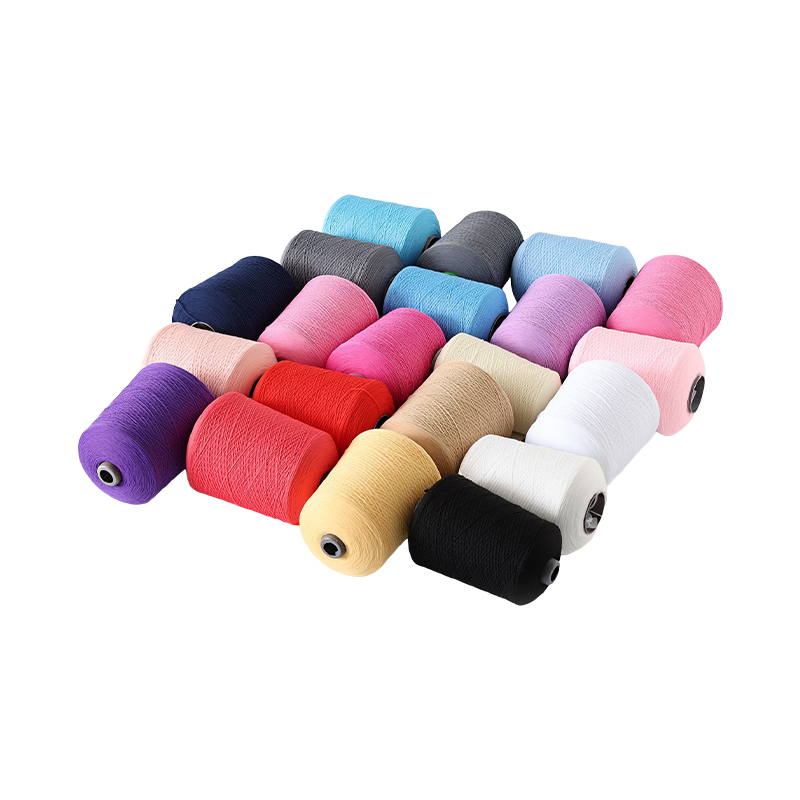
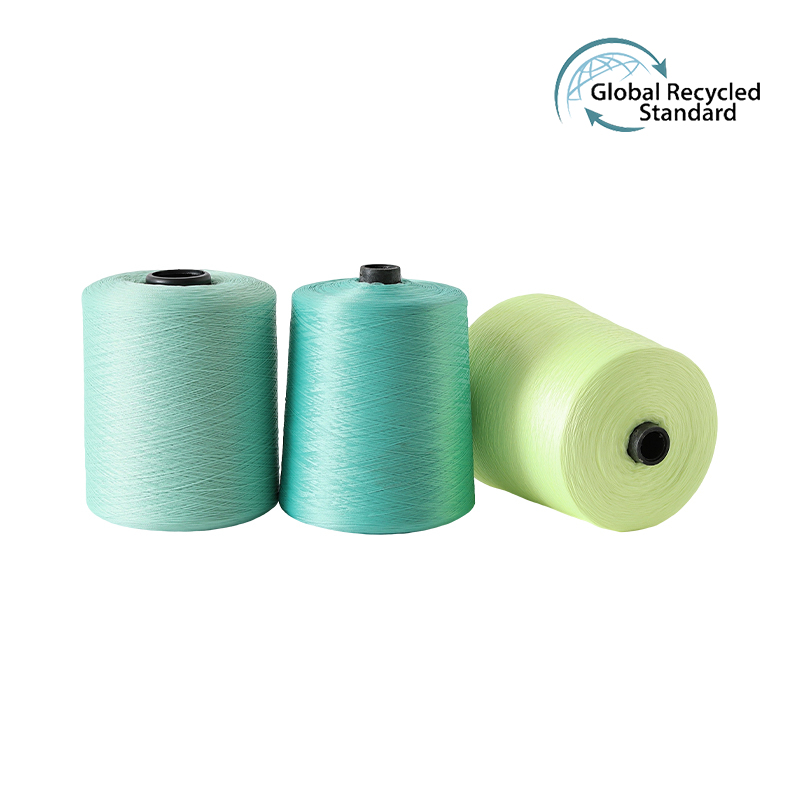
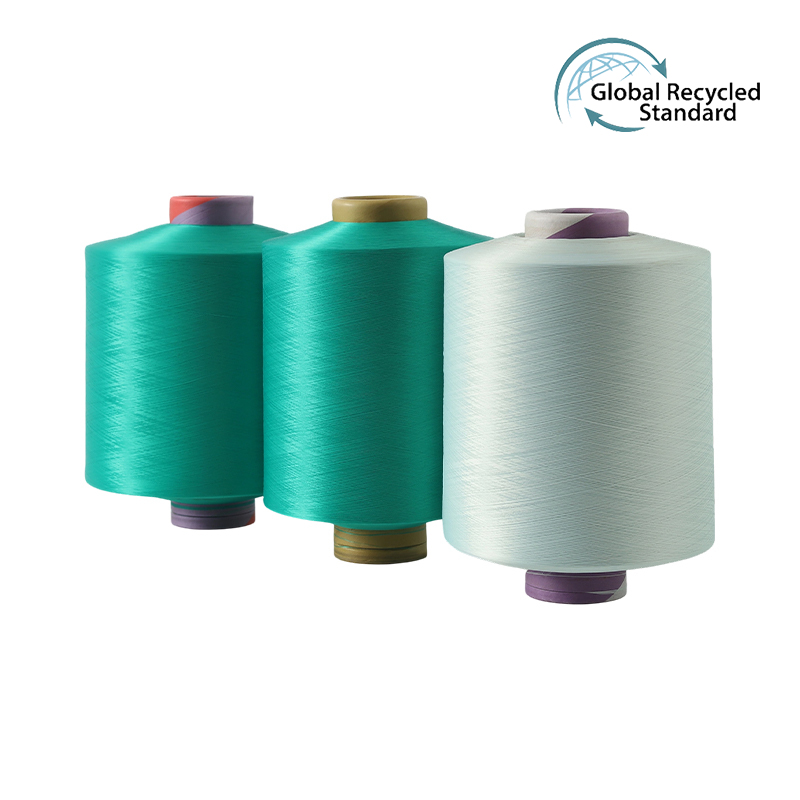
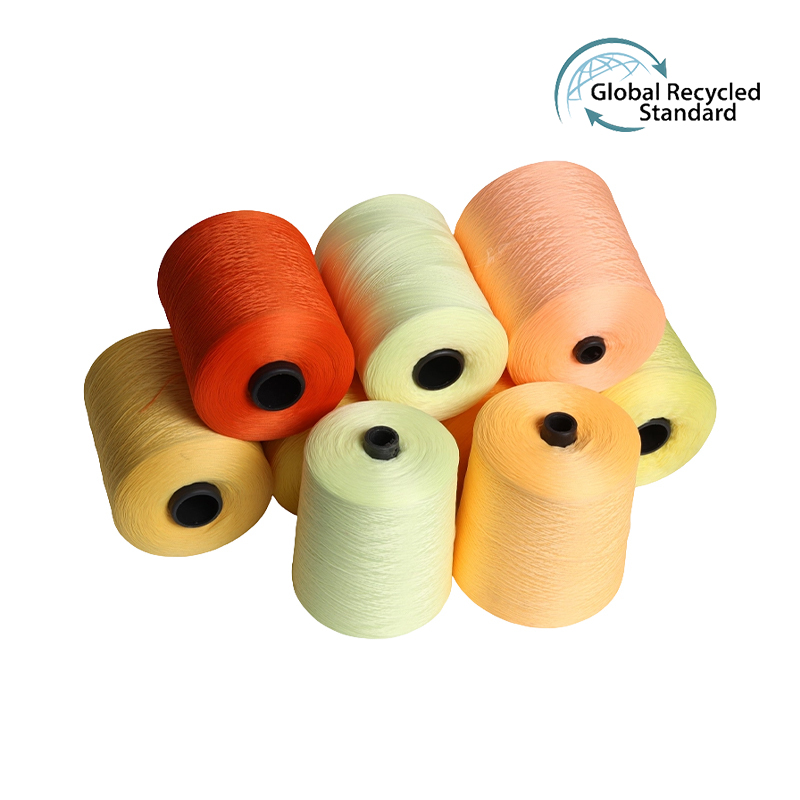
hilo de poliéster Es una de las fibras textiles sintéticas más utilizadas debido a su durabilidad, estabilidad dimensional y resistencia a la humedad y a los productos químicos. Por sí solo, el hilo de poliéster ofrece una excelente resistencia a la tracción, resistencia a las arrugas y retención del color. Sin embargo, también tiene limitaciones, como una menor transpirabilidad y una menor absorción de humedad en comparación con las fibras naturales. Para abordar estos problemas y mejorar el rendimiento, el hilo de poliéster se combina frecuentemente con otras fibras para crear hilos mezclados que equilibran comodidad, funcionalidad y costo.
La combinación de hilo de poliéster con fibras naturales o regeneradas permite a los fabricantes diseñar tejidos para usos finales específicos. Estas mezclas están diseñadas para optimizar características como suavidad, regulación térmica, elasticidad y facilidad de cuidado, lo que las hace adecuadas para prendas de vestir, textiles para el hogar y aplicaciones industriales.
Fibras comunes combinadas con hilo de poliéster
El hilo de poliéster es compatible con una amplia gama de fibras, cada una de las cuales aporta propiedades distintas al tejido final. La selección de la combinación correcta depende de la aplicación prevista, los requisitos de rendimiento y el precio objetivo.
Mezclas de hilos de poliéster y algodón
El hilo de poliéster y algodón es uno de los hilos mixtos más populares en la industria textil. El algodón proporciona transpirabilidad, suavidad y comodidad natural, mientras que el poliéster mejora la resistencia, la resistencia a las arrugas y la durabilidad. Esta mezcla se usa ampliamente en prendas de vestir cotidianas y textiles para el hogar.
- Vida útil del tejido mejorada en comparación con el 100 % algodón.
- Contracción reducida y mejor retención de la forma.
- Menores costos de producción y mantenimiento.
Mezclas de hilos de poliéster y viscosa (rayón)
Las mezclas de hilos de poliéster y viscosa combinan la textura suave y la caída de la viscosa con la resistencia del poliéster. Esta mezcla se elige a menudo para ropa de oficina, forros y telas de moda donde la apariencia y la comodidad son importantes.
- Caída y suavidad del tejido mejoradas
- Mejor gestión de la humedad que el poliéster puro.
- Alternativa rentable a las mezclas de seda o lana.
Mezclas de hilos de poliéster y spandex
Cuando se requiere elasticidad, el hilo de poliéster suele combinarse con spandex (también conocido como elastano). El poliéster proporciona integridad estructural, mientras que el spandex introduce elasticidad y recuperación, lo que hace que esta mezcla sea ideal para ropa deportiva y prendas ajustadas.
Ventajas de rendimiento de las mezclas de hilos de poliéster
La combinación de hilo de poliéster con fibras complementarias permite a los fabricantes adaptar el rendimiento del tejido con precisión. En comparación con los tejidos de una sola fibra, los hilos mezclados suelen ofrecer una funcionalidad general superior.
| Propiedad | Aporte de poliéster | Beneficio de mezcla |
| fuerza | Alta resistencia a la tracción | Tejido duradero |
| Control de humedad | Baja absorción | Mezclas de secado más rápido |
| Mantenimiento | Resistencia a las arrugas | Textiles de fácil cuidado |
Aplicaciones de telas fabricadas con mezclas de hilos de poliéster
La versatilidad de las mezclas de hilos de poliéster permite su uso en múltiples industrias. Al ajustar las proporciones de mezcla, los fabricantes pueden producir tejidos adecuados para requisitos tanto funcionales como estéticos.
Ropa y Moda
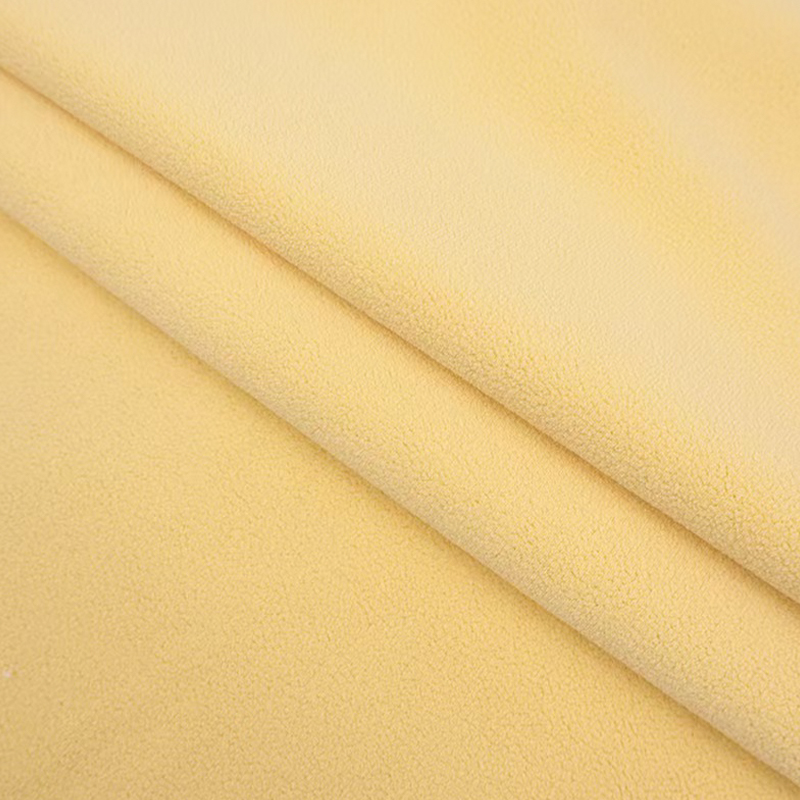
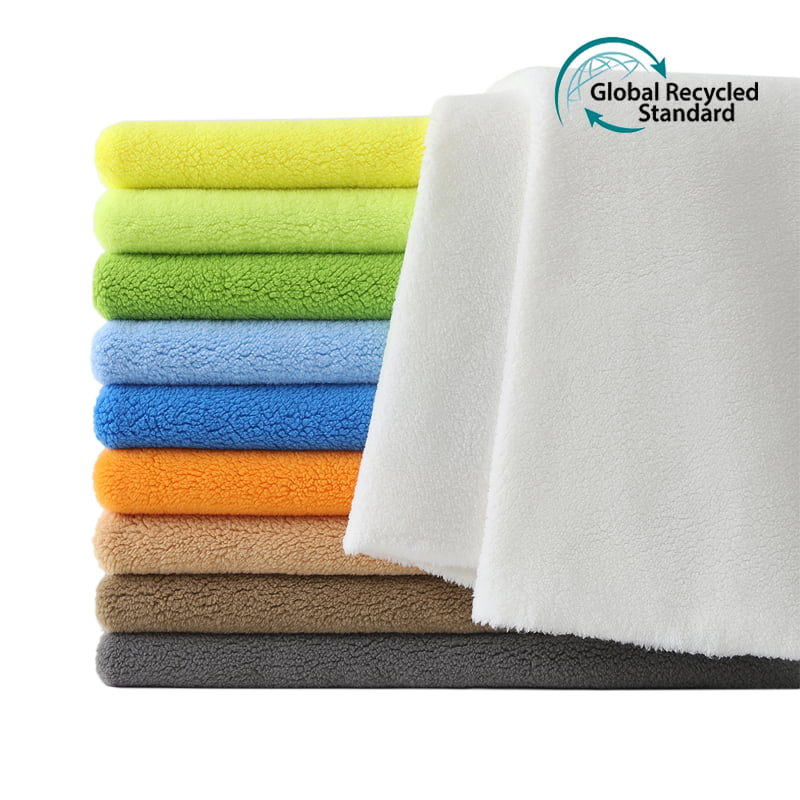
En la confección, las mezclas de hilos de poliéster se utilizan para camisetas, uniformes, ropa deportiva, pantalones y vestidos. Estas telas ofrecen durabilidad, solidez del color y comodidad, lo que las hace ideales para el uso diario y el lavado comercial.
Textiles para el hogar
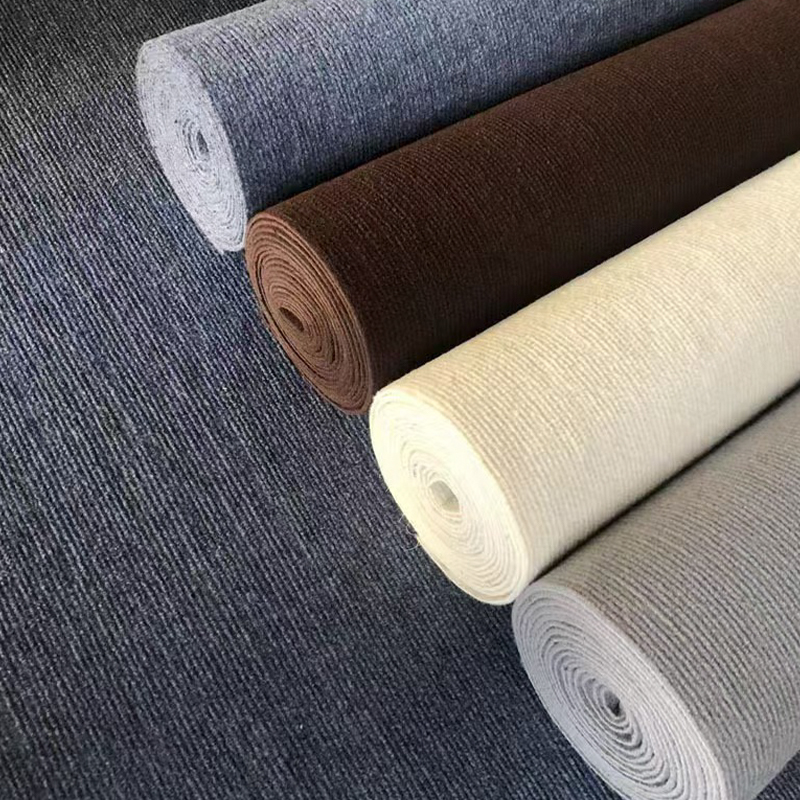
Los hilos de mezcla de poliéster se utilizan ampliamente en sábanas, cortinas, tapizados y alfombras. Su resistencia al desgaste, la decoloración y las arrugas garantiza una vida útil más larga y un mantenimiento reducido de los productos para el hogar.
Textiles industriales y técnicos
En aplicaciones industriales, las mezclas de hilos de poliéster se seleccionan por su resistencia y resistencia al medio ambiente. Los usos comunes incluyen ropa de trabajo, interiores de automóviles, telas de filtración y geotextiles.
Cómo elegir la mezcla adecuada de hilos de poliéster
Para elegir la mezcla de hilos de poliéster adecuada es necesario comprender los requisitos de uso final y las expectativas de rendimiento. Los factores clave incluyen comodidad, durabilidad, costo y consideraciones ambientales.
- Identificar si la transpirabilidad o la resistencia es el requisito principal.
- Considere la frecuencia de lavado y las condiciones de cuidado.
- Evaluar las expectativas de apariencia y tacto de la tela.
Consideraciones de sostenibilidad en mezclas de hilos de poliéster
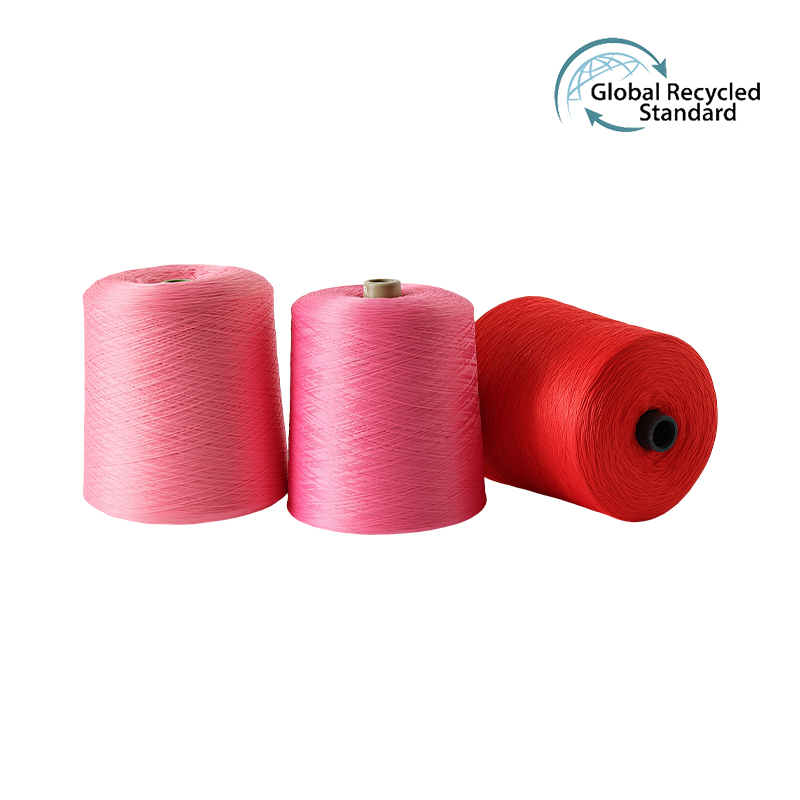
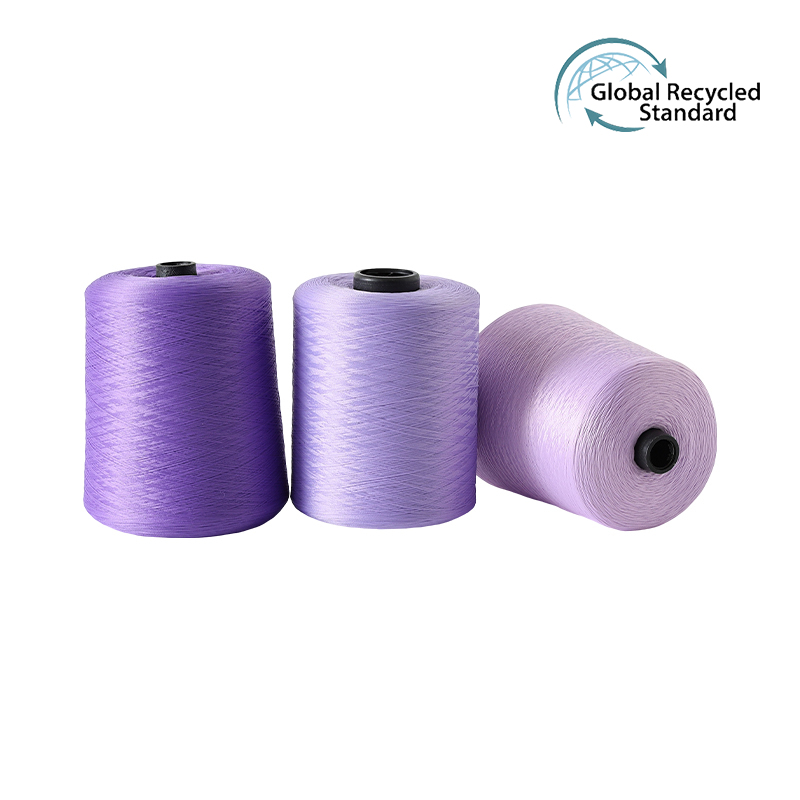
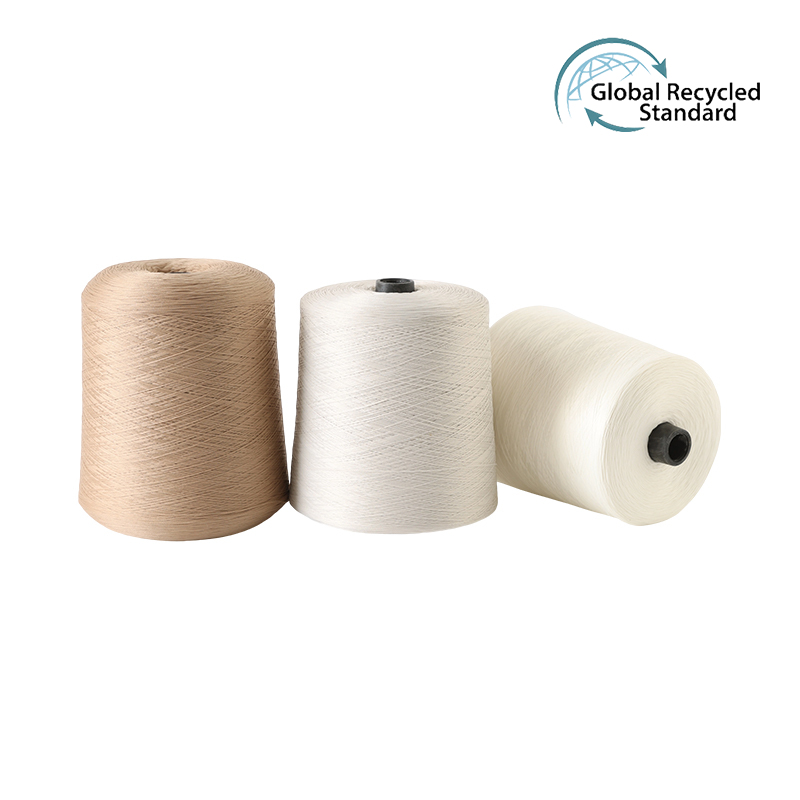
La sostenibilidad se ha convertido en un factor importante en la selección de hilos. El hilo de poliéster reciclado se mezcla cada vez más con algodón o viscosa para reducir el impacto ambiental y al mismo tiempo mantener el rendimiento. Estas mezclas ayudan a reducir la dependencia de materias primas vírgenes y respaldan la producción textil circular.
Al seleccionar la mezcla adecuada de hilos de poliéster y abastecerse de manera responsable, los fabricantes y compradores pueden lograr un equilibrio entre rendimiento, rentabilidad y responsabilidad ambiental.